
Classic cars are more than just vehicles. They represent automotive heritage, timeless design and engineering that deserves to be preserved. Whether you own a cherished British classic, a vintage sports car or an older prestige vehicle, professional classic car restoration can help bring its appearance, condition and character back to life.
For owners in Halifax, Calderdale and across West Yorkshire, finding the right restoration specialist is an important part of protecting a classic vehicle. From bodywork and corrosion repairs to paint restoration and detailed refinishing, every project requires a considered approach that respects the vehicle’s history and individual requirements.
This guide explains what classic car restoration services involve, the challenges owners should look out for, how to choose a suitable restoration garage and what to consider before investing in your vehicle.
What Does Classic Car Restoration Actually Involve?
Classic car restoration is the process of repairing, preserving or returning an older vehicle to a desired condition. The work can range from correcting isolated areas of damage to a comprehensive restoration involving the body, mechanical components, paintwork and interior.
Not every classic needs a complete rebuild. The appropriate approach depends on its age, condition, originality and intended use.
Mechanical Restoration
Mechanical restoration focuses on the components that allow a vehicle to operate safely and reliably. This can include inspecting the engine, gearbox, cooling system, suspension, steering and braking components.
Age-related deterioration, worn seals, damaged hoses and previous repairs can all affect performance. A thorough mechanical assessment helps identify problems that may not be immediately visible.
Classic Car Bodywork and Structural Repairs
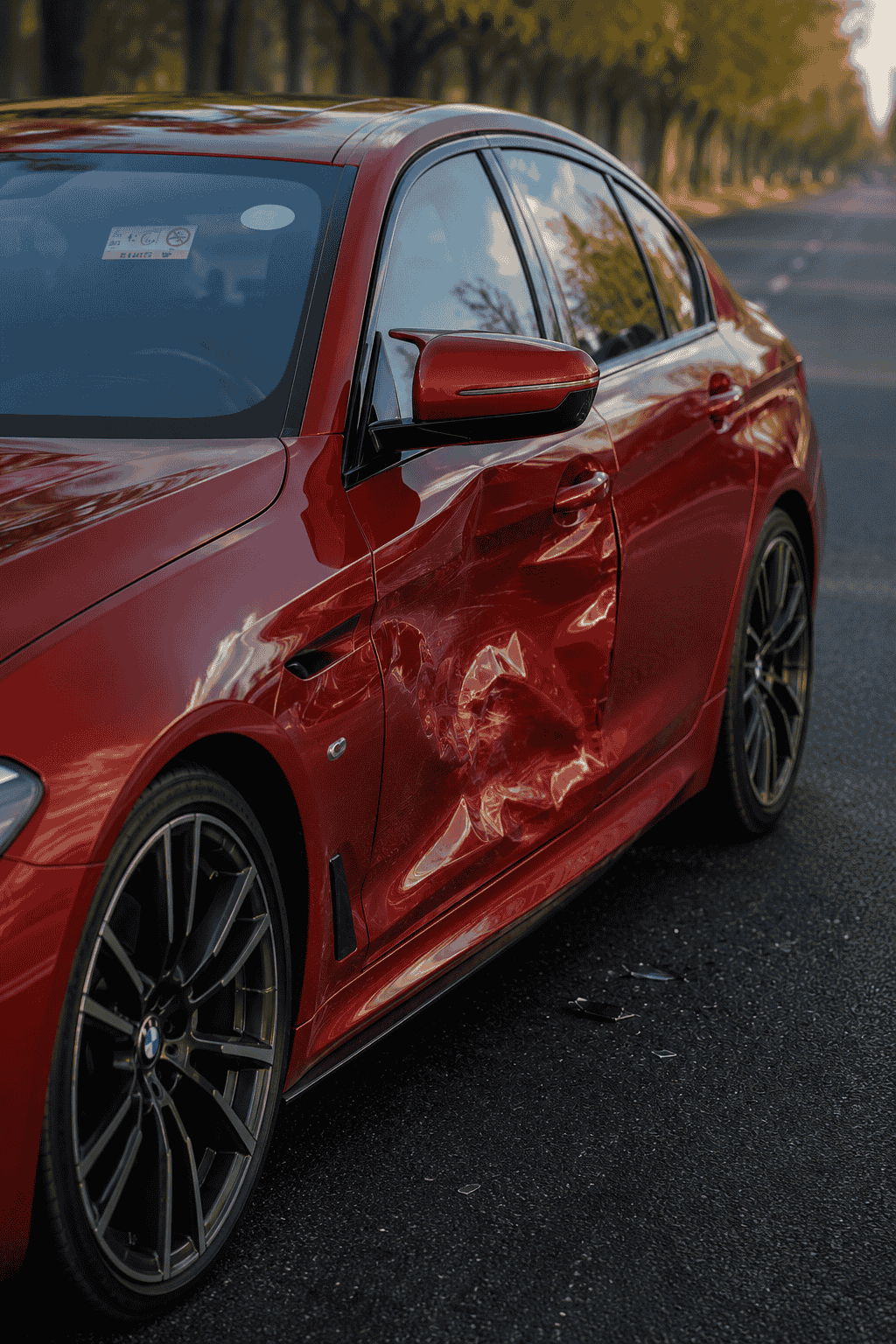
Bodywork is one of the most important aspects of classic vehicle restoration. Older vehicles can develop corrosion around wheel arches, sills, floor panels, door edges, boot areas and other vulnerable sections.
Depending on the vehicle, repairs may involve removing damaged metal, treating corrosion, replacing sections and carefully restoring the original body contours.
Structural condition should always take priority over cosmetic appearance.
Paintwork and Refinishing
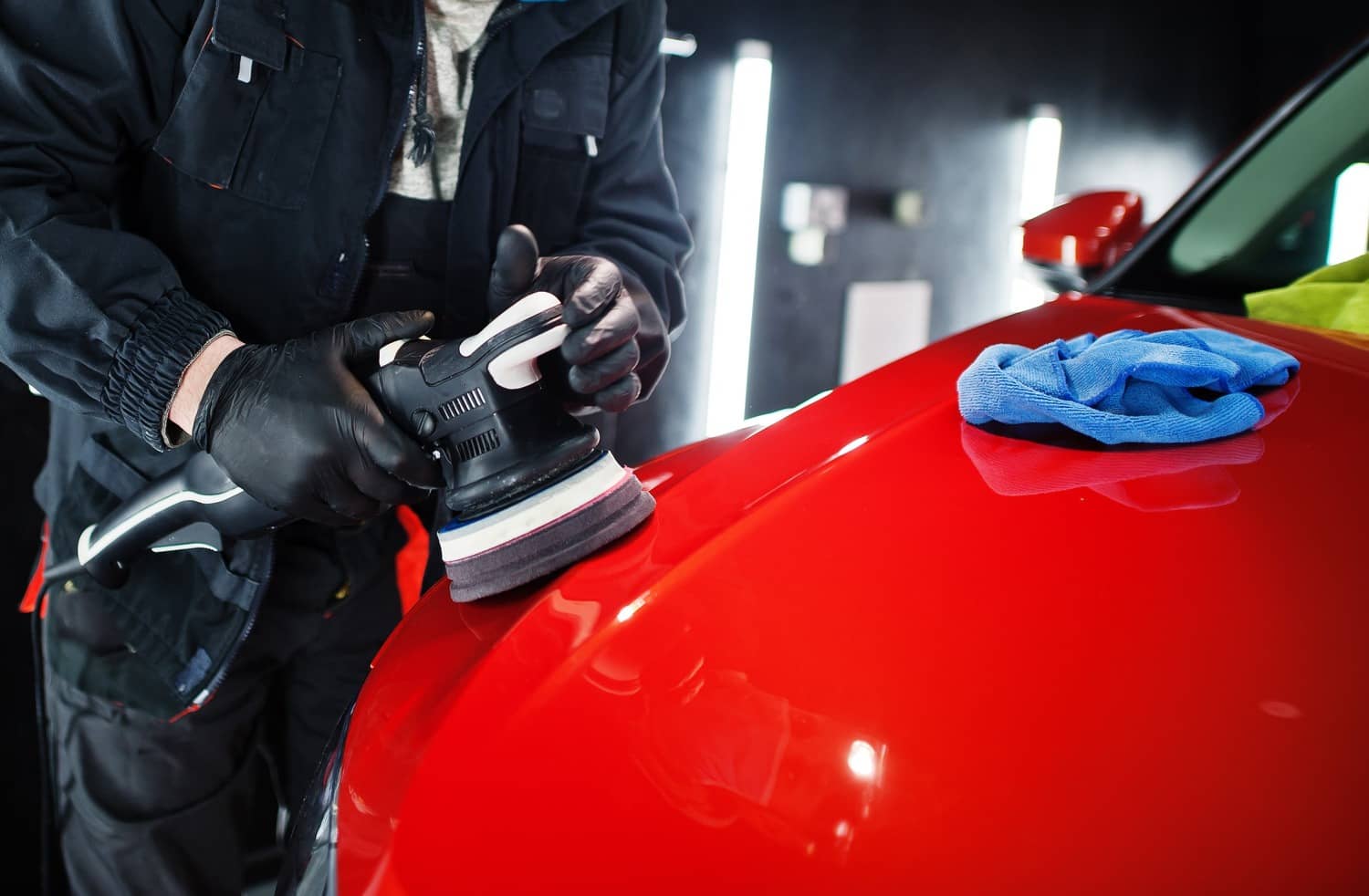
A vehicle’s paintwork has a major influence on its overall appearance. Faded paint, scratches, corrosion, peeling coatings and poorly matched previous repairs can make an otherwise attractive classic look tired.
Professional preparation and refinishing can restore a consistent appearance. The correct colour, finish and application method should be considered carefully, particularly when originality is important.
Interior and Electrical Restoration
Interior restoration may involve repairing or replacing upholstery, carpets, dashboard components, door trims and other ageing materials.
Electrical work can include inspecting wiring, lighting, switches, charging systems and connections. Older wiring can deteriorate over time, making careful inspection important for reliability and safety.
Why Invest in Professional Classic Car Restoration?
Restoring a classic vehicle can be a substantial commitment, but the benefits go beyond improving its appearance.
Preserving automotive heritage: Classic vehicles represent important periods in automotive design and engineering. Appropriate restoration helps preserve their character for future generations.
Improving reliability and safety: Addressing worn mechanical components, corrosion and damaged bodywork can make a vehicle more dependable and suitable for regular use.
Protecting long-term condition: Treating corrosion and repairing deterioration before it spreads can help prevent more extensive problems.
Maintaining originality: For collectors, originality can be particularly important. Retaining original components, finishes, trim and identifying features may help preserve a vehicle’s historical significance.
Enhancing presentation: Quality bodywork, paint refinishing and interior repairs can significantly improve the overall appearance of a classic car.
Restoration does not automatically increase a vehicle’s market value. Its financial outcome depends on the vehicle, quality of work, originality, history and market demand. A realistic restoration plan should consider both personal enjoyment and potential future value.
The Classic Car Restoration Process: What to Expect
A successful restoration begins with a proper assessment rather than immediately starting cosmetic work. Understanding the vehicle’s condition helps establish realistic priorities, costs and timescales.
1. Initial Vehicle Inspection
The first stage involves assessing the vehicle’s overall condition. This includes examining visible bodywork damage, corrosion, paintwork, previous repairs and any areas requiring further investigation.
2. Restoration Planning and Quotation
Once the initial assessment is complete, the required work can be discussed and prioritised. The owner should understand what is included, what may require additional investigation and which areas are outside the agreed scope.
3. Mechanical and Structural Assessment
The mechanical systems and structural condition need appropriate attention. Any safety-related issues should be identified before the vehicle is considered ready for road use.
4. Bodywork and Corrosion Treatment
Damaged panels and corroded areas are repaired using methods suitable for the vehicle’s construction. Proper preparation is essential because painting over untreated corrosion can lead to further deterioration.
5. Component Repair or Replacement
Where components are damaged or beyond practical repair, suitable replacements may be required. Original or period-correct parts should be considered where authenticity matters.
6. Paintwork and Finishing
Once the bodywork has been prepared, refinishing can restore the vehicle’s appearance. Surface preparation, colour selection, paint application and finishing all influence the final result.
7. Interior Refurbishment
Depending on the project, the interior may require upholstery repairs, replacement carpets, trim restoration or attention to dashboard and electrical components.
8. Final Inspection
The completed work should be inspected against the agreed restoration scope. Any outstanding mechanical, structural or cosmetic concerns should be addressed before the vehicle is returned to use.
Common Classic Car Problems That Require Specialist Attention
Older vehicles face different challenges from modern cars. Understanding common deterioration can help owners recognise when professional attention is needed.
Rust and corrosion: Moisture can accumulate in hidden areas, including sills, wheel arches, floors and chassis sections.
Age-related mechanical deterioration: Rubber components, seals, hoses and gaskets can become brittle or worn.
Suspension and braking issues: Worn bushes, ageing brake lines and deteriorating components can affect handling and stopping performance.
Engine and gearbox problems: Oil leaks, overheating, poor running and shifting difficulties may indicate underlying mechanical faults.
Electrical faults: Old wiring, corroded connections and ageing electrical components can cause intermittent problems.
Interior deterioration: Sunlight, moisture and general ageing can damage leather, fabric, carpets and dashboard materials.
Previous poor-quality repairs: Inadequate welding, filler-heavy bodywork and mismatched paint can conceal more serious problems.
A professional assessment helps distinguish between cosmetic deterioration and issues that could affect the vehicle’s structural integrity, reliability or safety.
Choosing the Right Classic Car Restoration Garage in Halifax and West Yorkshire
Choosing a suitable classic car restoration garage is one of the most important decisions an owner will make. Restoration work can involve significant time and expense, so it is worth evaluating a specialist before committing to a project.
Consider the following factors:
Relevant experience: Look for knowledge of classic vehicle construction, older bodywork techniques and the challenges associated with ageing vehicles.
Quality of workmanship: Ask to see examples of previous work, particularly projects involving similar vehicle types or restoration requirements.
Clear quotations: A professional restoration shop should explain the proposed work, expected costs, exclusions and how unexpected problems will be handled.
Suitable capabilities: Establish whether the business can undertake the work required or whether certain specialist tasks need to be arranged separately.
Communication: Restoration projects can change as hidden damage becomes visible. Regular updates and clear discussions about additional work are important.
Respect for originality: If you own a rare or historically significant vehicle, discuss how original features and components will be preserved.
A trustworthy classic car restoration shop should be prepared to explain its approach and help you understand what your vehicle actually needs.
Classic Car Repair and Restoration: Why Local Expertise Matters
Choosing a local specialist for classic car repair and restoration offers practical advantages, particularly when a vehicle requires several stages of work or ongoing maintenance.
For owners in Halifax and Calderdale, having a restoration business within reasonable travelling distance makes it easier to discuss progress, arrange inspections and maintain communication throughout the project.
Classic car owners in Elland, Brighouse and Sowerby Bridge may also benefit from working with a nearby repair specialist. Drivers in Hebden Bridge and Todmorden, as well as those travelling from Huddersfield and Bradford, can consider local options when comparing restoration services.
West Yorkshire’s changing weather also makes vehicle preservation important. Rain, moisture and winter road conditions can contribute to corrosion, particularly when a classic is regularly driven or stored in unsuitable conditions.
A local classic car restoration specialist can help owners understand the condition of their vehicle and discuss suitable repair and preservation options.
How Much Does Classic Car Restoration Cost?
There is no universal price for classic car restoration. Two vehicles of the same make and model can require very different levels of work depending on their condition and restoration history.
Several factors influence the overall cost:
Vehicle make, model and age: Some vehicles have complex construction or require specialist knowledge.
Existing condition: Extensive corrosion or previous poor-quality repairs can increase the amount of work required.
Structural damage: Chassis and body structure repairs may require considerable labour.
Mechanical requirements: Engine, gearbox, suspension and braking work can add to the project.
Parts availability: Rare or discontinued components may be expensive or difficult to source.
Restoration standard: A localised repair, sympathetic refurbishment and complete restoration involve very different levels of work.
Labour and craftsmanship: Detailed bodywork, fabrication and paint refinishing require time and appropriate expertise.
The best starting point is an individual vehicle inspection followed by a clear quotation. It is also sensible to discuss how additional work will be approved if hidden damage is discovered during restoration.
Preserving Your Classic Car After Restoration
Once restoration work is complete, ongoing maintenance is essential to protect the results.
Maintain a regular service schedule: Check fluids, tyres, brakes, belts and other mechanical components at appropriate intervals.
Store the vehicle correctly: A dry, ventilated storage environment can help reduce moisture-related deterioration. Avoid covering a damp vehicle with a material that traps moisture.
Prevent corrosion: Inspect vulnerable areas regularly, especially underneath the vehicle, around wheel arches and along panel edges.
Clean carefully: Use suitable cleaning products and avoid harsh chemicals or abrasive methods that could damage older paintwork and trim.
Arrange routine inspections: Address small leaks, paint defects, unusual noises and mechanical concerns before they develop into larger problems.
Keep detailed records: Retain invoices, service records, photographs and restoration documentation. These records help establish the vehicle’s maintenance and restoration history.
Why Choose a Specialist for Vintage Car Restoration in West Yorkshire?
Every classic vehicle has its own history, construction and restoration requirements. A vintage British sports car, an older family saloon and a prestige performance vehicle may all need different repair methods and finishing approaches.
Professional vintage car restoration should therefore be planned around the individual vehicle rather than following a one-size-fits-all process.
The right restoration partner understands the importance of careful inspection, suitable materials, accurate bodywork and attention to detail. They should also recognise when preserving an original component is preferable to replacing it.
For owners looking for Classic Car Restoration in Halifax and the wider West Yorkshire region, Spray-Tec Bodyshop provides a point of contact to discuss classic vehicle restoration and bodywork requirements.
Whether your vehicle needs attention to its bodywork, paint finish or more extensive restoration, the first step is understanding its condition and establishing a suitable plan.
Book Your Classic Car Restoration Consultation in Halifax
Your classic car deserves an approach that respects its character, history and condition. From localised bodywork repairs to more extensive restoration requirements, choosing the right specialist can make a significant difference to the finished vehicle.
If you are looking for Classic Car Restoration in Halifax, Calderdale or West Yorkshire, contact Spray-Tec Bodyshop to discuss your vehicle and the work you have in mind.
Give your classic car the care and attention it deserves.
How long does classic car restoration take?
The timeframe depends on the vehicle’s condition and the amount of work required. Minor bodywork and paint repairs may take considerably less time than a complete restoration involving structural, mechanical and interior work.
Is it worth restoring an old classic car?
It can be worthwhile if the vehicle has personal, historical or collector value. However, restoration costs should be assessed against the vehicle’s condition, originality, parts availability and intended use.
Can rust be repaired on a classic car?
Yes, many areas of corrosion can be repaired, depending on their location and severity. Structural corrosion requires particular attention, and damaged metal may need to be removed and replaced rather than simply covered.
Should I choose a classic car restoration garage or a general bodyshop?
Consider the nature of the work. A specialist with relevant classic vehicle restoration experience may be better suited to projects involving older construction methods, originality and complex bodywork. Always check the workshop’s actual capabilities and previous work.
Do I need a complete restoration or just repairs?
Not necessarily. Some classic vehicles only require localised bodywork, paint restoration or mechanical attention. A vehicle assessment can help establish whether preservation, partial restoration or a complete restoration is appropriate.
Recent posts
- The Ultimate Guide to Classic Car Restoration in West Yorkshire
- Car Body Repair Halifax: The Complete Guide to Choosing the Right Body Shop
- The Ultimate Guide to Machine Polishing: How to Permanently Restore Your Car’s Factory Shine in Halifax, West Yorkshire
- Alloy Wheel Refurbishment Halifax: Why a Specialist Workshop Delivers a Factory-Fresh Finish
- 5 Things You Should Never Do After a Car Accident | UK Guide
- What to Do After a Car Accident: A Step by Step Guide
Contact Spray-Tec
Whether you need accident repairs, dent repairs, alloy wheel repairs, wheel refurbishment, wheel straightening, wheel powder coating, bumper repairs, brake caliper painting, classic car restoration, commercial vehicle repairs, machine polishing, scratch removal, fibre glass repairs, carbon fibre repairs, motorsport repairs or complete vehicle resprays, Spray-Tec is here to help. Our experienced technicians deliver high-quality workmanship, honest advice and exceptional customer service for every vehicle that enters our workshop.
Contact Spray-Tec today for your free quotation and let us restore your vehicle to its best.