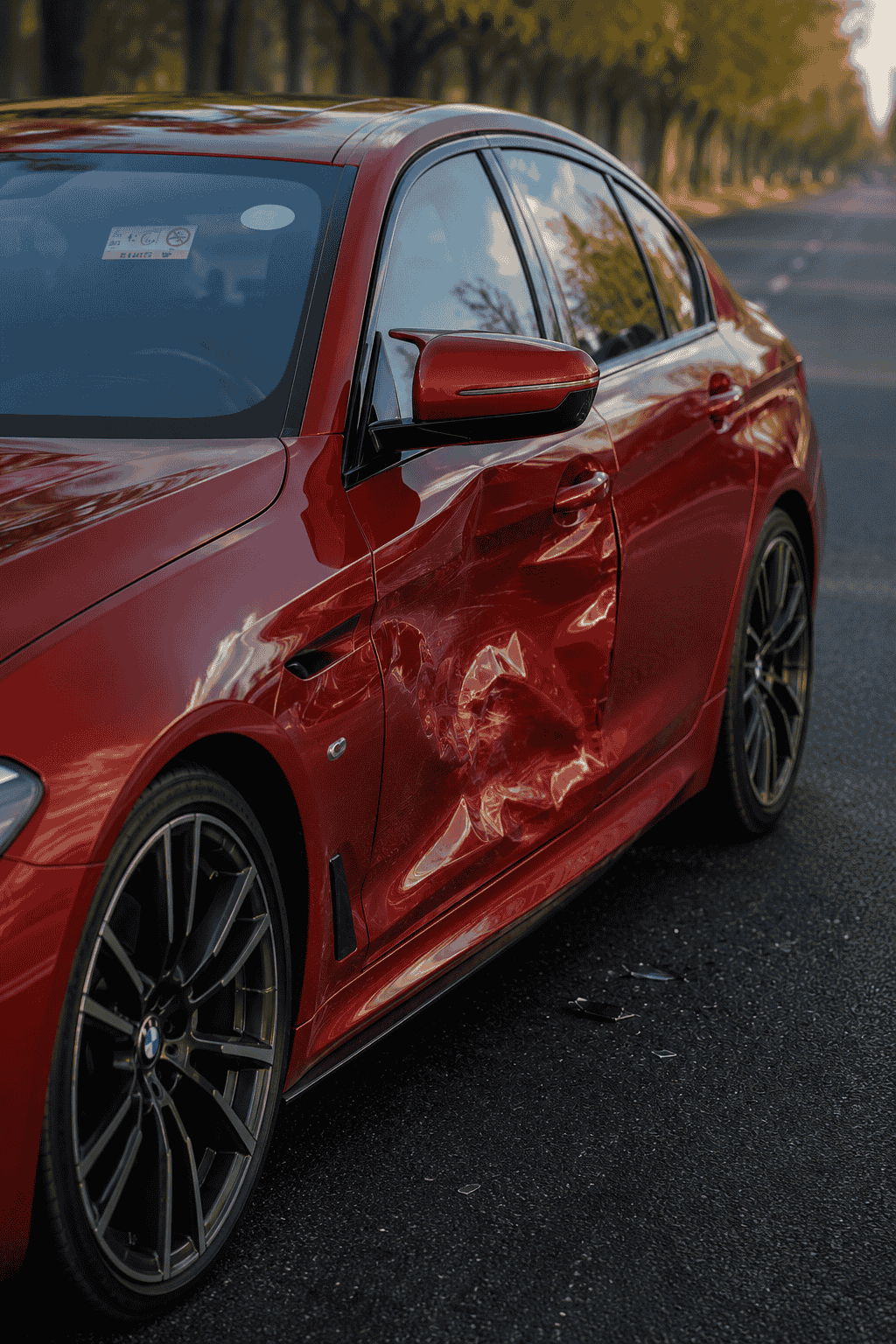

A car accident can be stressful, particularly when you’re unsure what to do immediately afterwards. Whether the collision is minor or involves significant damage, taking the right steps can protect your safety, help with an insurance claim and make arranging repairs much easier.
From checking for injuries and exchanging details to documenting the damage and arranging Car Accident Repair, this guide explains what you should do after a vehicle collision.
1. Check Everyone for Injuries
Your first priority after any accident should be safety.
If it is safe to do so, check yourself, your passengers and anyone else involved for injuries. Some injuries may not be immediately obvious because shock and adrenaline can temporarily mask pain.
When to Call Emergency Services
Call the emergency services if:
- Anyone is injured or feels unwell.
- A person is trapped inside a vehicle.
- There is significant or dangerous vehicle damage.
- The road is blocked.
- There is a risk of fire or another immediate hazard.
- The collision involves a serious or potentially dangerous situation.
Do not attempt to move seriously injured people unless there is an immediate danger requiring evacuation.
2. Move to a Safe Location if Possible
If the vehicles are still driveable and it is safe to do so, move them away from moving traffic.
Turn on your hazard warning lights and remain aware of surrounding vehicles.
If your vehicle cannot be moved safely, stay in a secure location and wait for assistance where possible. Avoid standing unnecessarily in the road or near moving traffic.
Never put yourself at further risk simply to inspect vehicle damage.
3. Exchange Details With the Other Driver
Once everyone is safe, exchange the relevant information with the other driver.
This should generally include:
- Full name
- Address
- Contact details
- Vehicle registration number
- Vehicle make and model
- Insurance company and policy information
- Driving licence details where appropriate
If there are witnesses, ask for their names and contact details as well.
Avoid arguing about who was responsible for the accident at the roadside. Keep the conversation factual and allow the insurers or relevant authorities to establish liability.
4. Document the Accident Scene
Photographs and video can provide valuable evidence when dealing with insurers and assessing vehicle damage.
If it is safe to do so, photograph:
- Your vehicle from multiple angles
- Damage to the other vehicle
- Number plates
- The road layout
- Traffic signs and markings
- Junctions and nearby landmarks
- Debris on the road
- Skid marks or other visible evidence
- Weather or road conditions
- Any damaged roadside property
Take both close-up photographs and wider images showing the position of the vehicles.
Why Evidence Matters
Some damage isn’t immediately obvious after a collision. Detailed photographs can help establish the circumstances of the accident and document the vehicle’s condition before repairs begin.
If witnesses are available, record their contact details while the events are still fresh.
5. Report the Accident When Required
Depending on the circumstances, you may need to report the accident to the police.
This can be particularly important if:
- Someone has been injured.
- Another driver fails to provide their details.
- You suspect the other driver was driving illegally.
- A driver leaves the scene.
- There is significant danger or obstruction.
- You believe a criminal offence may have occurred.
If you’re unsure whether an accident needs to be reported, obtain appropriate advice rather than assuming it isn’t necessary.
6. Contact Your Insurance Company
Notify your insurer as soon as reasonably possible and provide accurate information about what happened.
Your insurer may ask for:
- Date and time of the accident
- Location
- Details of the other driver
- Witness information
- Photographs
- Police reference details, if applicable
- Description of the damage
- Information about whether the vehicle is driveable
Even if you don’t intend to make a claim immediately, check your policy requirements regarding accident notification.
Insurance Accident Repairs
If you are making a claim, your insurer may have a specific process for Insurance Accident Repairs. They may direct you to an approved repairer or give you options regarding where your vehicle can be repaired.
Before authorising work, understand what your insurance policy covers, including any excess, repairer restrictions and replacement-vehicle arrangements.
7. Don't Assume Your Car Is Safe to Drive
A vehicle can appear relatively undamaged while still having potentially important mechanical, structural or safety-related problems.
After a collision, check for obvious issues such as:
- Warning lights
- Fluid leaks
- Steering problems
- Brake problems
- Damaged lights
- Wheel or tyre damage
- Misaligned body panels
- Unusual noises
- Difficulty opening or closing doors
- Damaged mirrors or windows
If you’re uncertain about the vehicle’s condition, don’t take unnecessary risks.
A professional inspection can determine whether the vehicle is safe to drive or requires recovery.
8. Arrange a Professional Vehicle Assessment
Once the immediate situation has been dealt with, arrange for the vehicle to be properly inspected.
Professional Vehicle Accident Repair isn’t simply about making the car look good again. A proper assessment should consider the visible and potentially hidden consequences of the collision.
Depending on the accident, the inspection may identify:
- Damaged bumpers
- Dented panels
- Scratched paintwork
- Broken lights
- Damaged wings
- Bonnet damage
- Door damage
- Wheel damage
- Structural concerns
- Alignment issues
- Hidden damage behind body panels
A professional assessment helps establish the extent of the required work before repairs begin.
9. Understand the Repair Process
The repair process depends on the severity and location of the damage.
Minor damage may require straightforward paint or panel repairs, while a more significant collision can involve multiple stages.
Typical Accident Repair Work
Professional Car Body Repairs following an accident may include:
- Vehicle damage assessment
- Removal of damaged components
- Panel repair or replacement
- Dent removal
- Bumper repair or replacement
- Surface preparation
- Paint matching
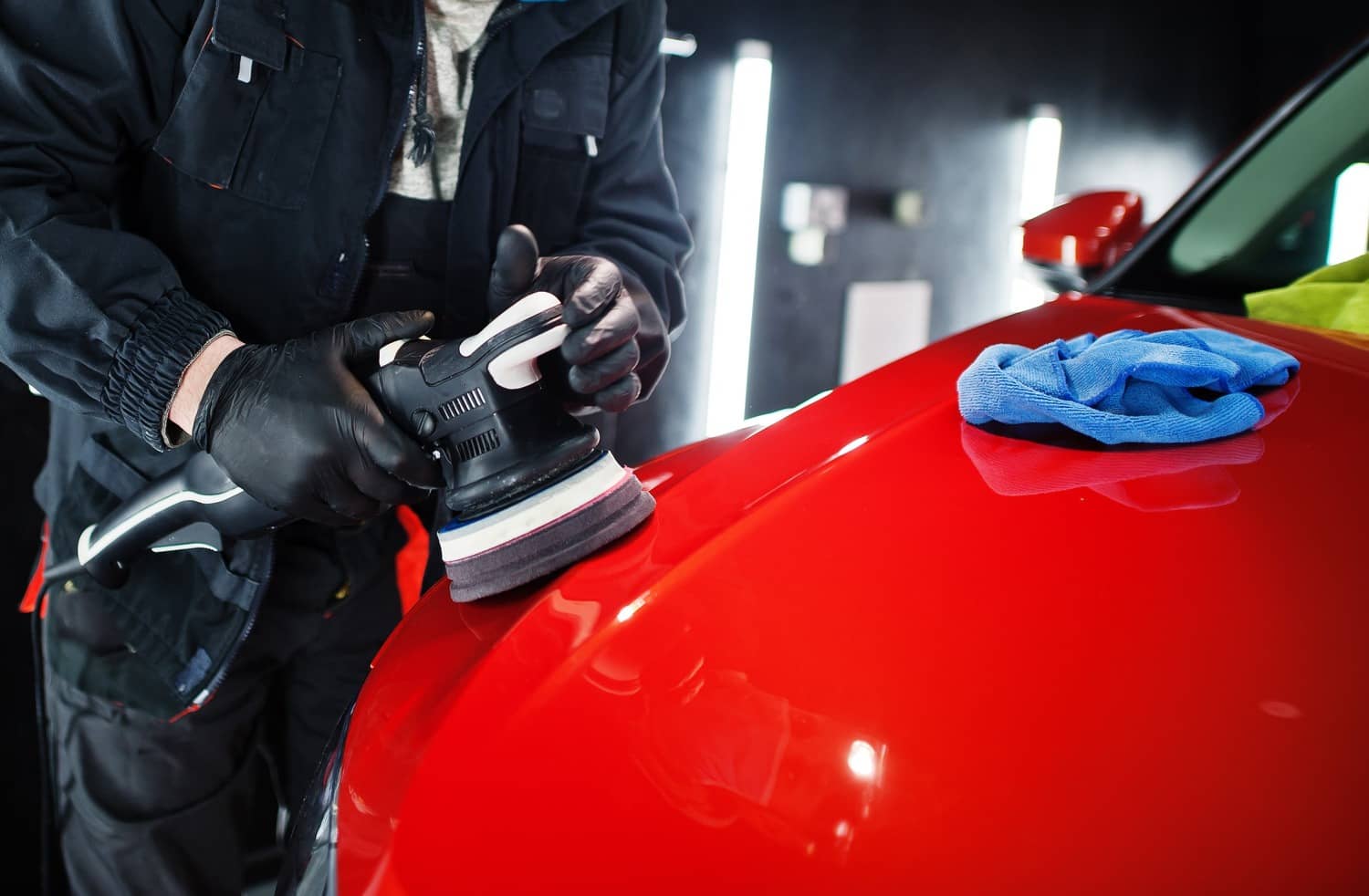
- Panel refinishing
- Reassembly
- Final quality inspection
The repairer should explain what work is required and whether replacement parts or repairs are being recommended.
10. Choose a Suitable Repairer
Choosing the right repairer is important, particularly when your vehicle has suffered significant damage.
Look for a bodyshop with experience in:
- Accident repairs
- Panel repairs
- Automotive paintwork
- Dent removal
- Bumper repairs
- Paint matching
- Vehicle refinishing
Ask what is included in the quotation and whether the repairer has experience working with your particular vehicle.
For more substantial Accident Damage Repair, a professional bodyshop should assess the entire affected area rather than concentrating only on the most obvious cosmetic damage.
11. Keep Records of Everything
Keep copies of documents and communications relating to the accident.
This can include:
- Insurance correspondence
- Claim numbers
- Repair estimates
- Photographs
- Police references
- Recovery invoices
- Repair invoices
- Emails and messages
- Vehicle inspection reports
Maintaining an organised record can make it easier to answer questions from your insurer or repairer later.
12. Don't Repair the Vehicle Before It Has Been Properly Assessed
If you’re making an insurance claim, check with your insurer before authorising repairs.
Your insurer may need to inspect the vehicle or arrange an assessment before work starts.
Starting repairs without understanding your insurer’s requirements could complicate the claims process.
Always follow the terms of your policy and clarify who needs to approve the repair.
What Happens If the Car Is Declared a Write-Off?
Sometimes the cost of repairing a vehicle is considered uneconomical compared with its value.
In this situation, an insurer may classify the vehicle as a total loss or write-off.
The exact process depends on the circumstances, vehicle value, insurance policy and applicable rules.
If your insurer considers your vehicle a write-off, ask for a clear explanation of the valuation and classification and understand your options before making decisions about the vehicle.
How to Prevent Further Problems After an Accident
Once the repair is complete, there are several things you can do to protect your vehicle.
Check the Finished Repair
Before accepting the vehicle, inspect the repaired areas in good lighting.
Look for:
- Consistent paint colour
- Smooth panel surfaces
- Correct panel alignment
- Properly fitted lights
- Correct bumper positioning
- Doors and panels opening correctly
If something doesn’t look right, raise it with the repairer immediately.
Keep Your Repair Documentation
Keep invoices and repair documentation for your records. This can be useful if you sell the vehicle in the future or need to demonstrate what work has been carried out.
Arrange a Follow-Up Inspection if Necessary
If your vehicle experienced a substantial collision, don’t ignore new warning lights, unusual noises, steering changes or other problems that develop after the repair.
Contact the repairer or an appropriate professional promptly.
Common Mistakes to Avoid After a Car Accident
Several mistakes can make an already stressful situation more complicated.
Avoid:
- Leaving the scene without exchanging required details
- Admitting fault at the roadside
- Failing to document the damage
- Driving a potentially unsafe vehicle
- Ignoring your insurer’s notification requirements
- Authorising repairs without checking your policy
- Assuming visible damage is the only damage
- Throwing away accident-related documents
- Delaying attention to obvious safety problems
The safest approach is to remain calm, document what happened and follow the appropriate insurance and repair procedures.
Get Professional Help After a Car Accident
Knowing what to do after a collision can make the recovery process much easier. Prioritise safety, document the accident, notify your insurer when required and arrange a professional vehicle assessment before proceeding with repairs.
When your vehicle needs Car Accident Repair, choosing an experienced bodyshop can help ensure both the visible damage and relevant underlying issues are properly assessed.
Whether you need minor paintwork, panel repairs or more extensive Collision Repair, professional assessment is the best starting point for getting your vehicle safely back on the road.
What should I do immediately after a car accident?
Check for injuries, move to a safe location if possible, contact emergency services when necessary, exchange details with the other driver and document the scene.
Should I contact my insurance company after a minor accident?
You should check your insurance policy and notify your insurer according to its requirements, even if the damage initially appears minor.
How do I know if my car needs accident repairs?
Visible dents, scratches, broken components, warning lights, steering problems, fluid leaks or unusual noises can indicate that your vehicle requires professional assessment and repair.
Can I choose my own accident repair centre?
This depends on your insurance policy and circumstances. Some insurers may have approved repair networks, so check your policy and discuss your options before authorising repairs.
How long does car accident repair take?
Repair times vary depending on the severity of the damage, parts availability, paintwork required and insurance approval. A repairer should provide an estimated timeframe after assessing the vehicle.
Recent posts
- Car Body Repair Halifax: The Complete Guide to Choosing the Right Body Shop
- The Ultimate Guide to Machine Polishing: How to Permanently Restore Your Car’s Factory Shine in Halifax, West Yorkshire
- Alloy Wheel Refurbishment Halifax: Why a Specialist Workshop Delivers a Factory-Fresh Finish
- 5 Things You Should Never Do After a Car Accident | UK Guide
- What to Do After a Car Accident: A Step by Step Guide
Contact Spray-Tec
Whether you need accident repairs, dent repairs, alloy wheel repairs, wheel refurbishment, wheel straightening, wheel powder coating, bumper repairs, brake caliper painting, classic car restoration, commercial vehicle repairs, machine polishing, scratch removal, fibre glass repairs, carbon fibre repairs, motorsport repairs or complete vehicle resprays, Spray-Tec is here to help. Our experienced technicians deliver high-quality workmanship, honest advice and exceptional customer service for every vehicle that enters our workshop.
Contact Spray-Tec today for your free quotation and let us restore your vehicle to its best.