
Being involved in a road accident can be stressful, particularly when your vehicle has visible damage or is no longer safe to drive. Whether it is a minor parking collision, a damaged bumper or a more serious impact, understanding what happens next can make the repair process much easier.
If you are looking for Accident Repair in Halifax, knowing what to expect from your first enquiry through to the final vehicle handover can help you make informed decisions. Professional accident repairs involve more than simply removing dents and repainting panels. The process may include detailed damage assessments, structural repairs, replacement components, paint refinishing and safety checks.
At Spray-Tec Bodyshop in Halifax, we understand the importance of quality vehicle bodywork and professional repair solutions. This guide explains the typical accident repair process and what drivers in Halifax and the surrounding Calderdale area should consider after a collision.
What Is the Accident Repair Process?
The accident repair process involves inspecting, repairing and restoring a vehicle following collision damage. The exact work depends on the severity of the impact, the vehicle’s construction and the components affected.
Some accidents result in relatively minor cosmetic damage, such as scratches, dents and bumper damage. Others can affect structural components, suspension, steering, lighting and vehicle safety systems.
Professional auto collision repair aims to address the damage properly, restore the vehicle’s appearance and ensure that affected components are repaired or replaced appropriately.
A typical repair journey includes:
Initial contact and damage assessment.
Repair estimate and insurance discussions, where applicable.
Detailed inspection and identification of hidden damage.
Parts sourcing and repair preparation.
Bodywork and structural repairs, if required.
Paint preparation and refinishing.
Reassembly and relevant safety checks.
Final inspection and vehicle collection.
Not every vehicle requires every stage. A suitable repair plan should be based on the actual damage rather than a standard package of work.
Step 1 – Assessing the Vehicle After an Accident
The first stage is understanding the extent of the damage.
After an accident, visible damage does not always tell the full story. A relatively small impact can affect brackets, mounting points, internal panels or other components behind the exterior bodywork.
An initial inspection may examine:
Exterior Bodywork
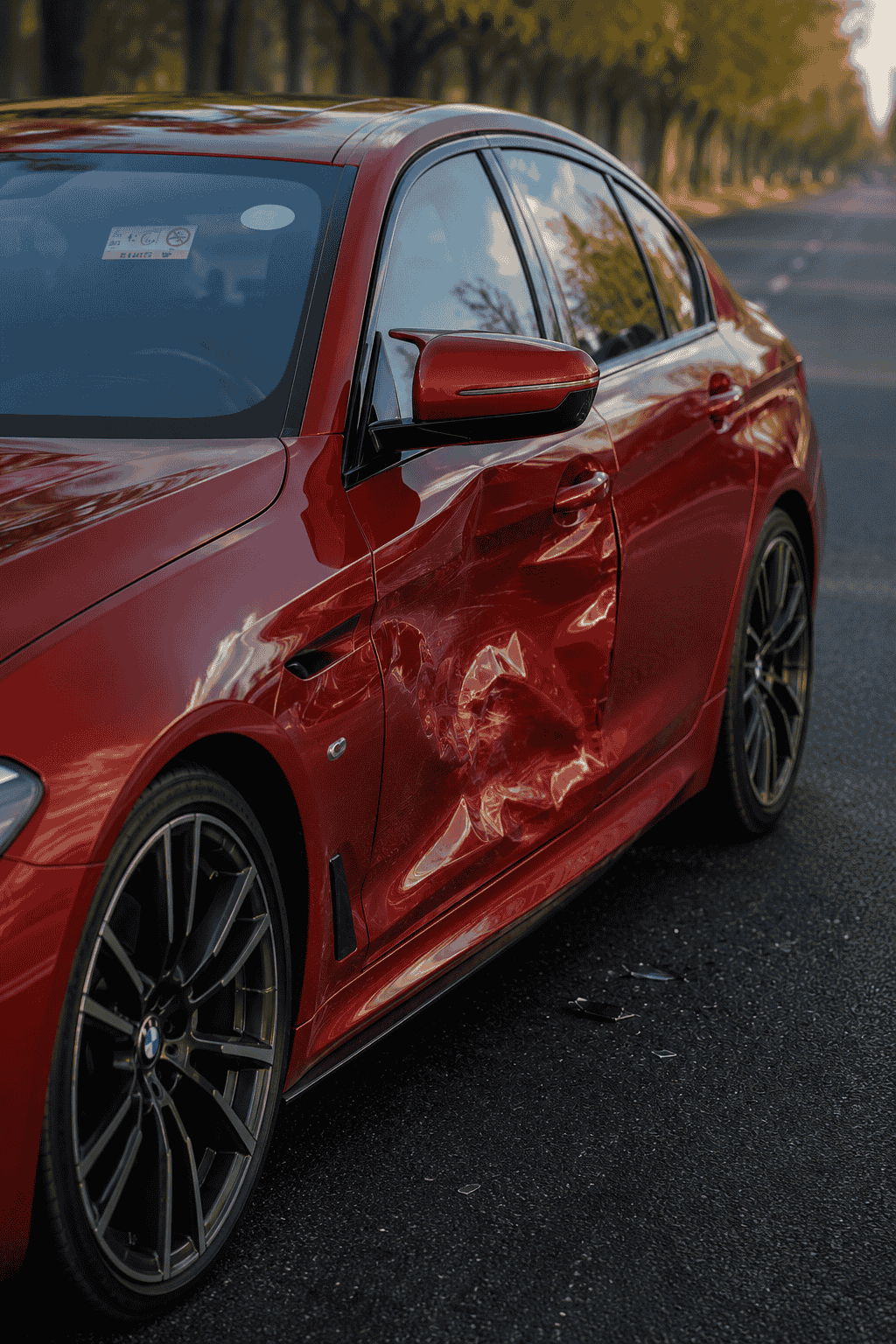
Technicians look for dents, scratches, cracked bumpers, damaged doors, damaged wings and misaligned panels. The inspection helps establish whether a component can be repaired or needs replacing.
Structural Damage
More significant collisions can affect the vehicle’s underlying structure. Depending on the impact, inspection may be needed around structural panels, mounting points and other load-bearing areas.
Mechanical and Safety Components
Steering, suspension, wheels, tyres, lights and braking components may need attention if they were affected by the collision. Modern vehicles may also require checks of cameras, parking sensors and driver assistance systems.
If the vehicle has warning lights, leaking fluids, damaged steering or braking components, or other signs of a safety issue, do not assume it is safe to drive. Arrange appropriate professional advice and recovery where necessary.
Step 2 – Obtaining a Repair Estimate and Understanding Insurance
Once the vehicle has been assessed, the next step is establishing the work required and its likely cost.
A repair estimate typically considers:
Labour required for the repairs.
Parts that need repairing or replacing.
Bodywork and paint refinishing.
Any additional mechanical or specialist work.
Further inspection or testing requirements.
What If You Are Making an Insurance Claim?
If you intend to claim through your motor insurance, contact your insurer and follow the process set out in your policy. You may need to provide photographs, accident details, the location of the damage and information about other parties involved.
Your insurer may arrange an assessment and explain its repair arrangements. Check whether you can choose your own repairer, whether there are policy conditions concerning repairers and what excess or other costs may apply.
Do not assume that every insurance policy follows the same procedure. It is important to understand the arrangements before authorising work.
Can You Arrange Private Accident Repairs?
Yes. Drivers may also choose to pay for repairs themselves rather than make an insurance claim. This can be an option for certain types of damage, depending on the circumstances.
If you are considering private repairs, ask for a clear estimate explaining the proposed work, parts and any additional costs that could arise if hidden damage is discovered.
Step 3 – Identifying Hidden Damage and Preparing the Vehicle
An initial inspection may not reveal every problem. In some cases, technicians need to remove damaged bumpers, trim, lights or other components to inspect the areas underneath.
This is an important stage because collision damage can extend beyond the visible impact area.
For example, a damaged front bumper may conceal broken mounting brackets, damaged supports or affected components behind the bumper cover. A side impact may also affect door alignment and adjacent panels.
Once the additional inspection is complete, the repair requirements can be reviewed. If further work is needed, the customer should be informed and any required insurance approval or customer authorisation obtained before proceeding.
Parts may also need to be sourced at this stage. Availability can vary depending on the vehicle manufacturer, model, age and specification.
Step 4 – Professional Bodywork and Panel Repairs
Bodywork is one of the most visible parts of the accident repair process. The aim is to address the damaged areas while restoring the correct panel shape, fit and appearance.
The appropriate repair method depends on the material, location and severity of the damage.
Dent Removal and Panel Repair
Smaller dents may be repairable without replacing the entire panel, depending on their location and severity. More extensive damage may require traditional panel repair techniques or replacement panels.
Bumper and Plastic Repairs
Bumpers and other plastic components can crack, split or become distorted during a collision. Depending on the damage and the component, repair or replacement may be appropriate.
Panel Alignment
Correct panel alignment is important for the finished appearance and proper operation of doors, bonnets, boot lids and other components. Gaps and edges should be checked as part of the repair process.
For drivers seeking Accident Repair Shop in Halifax, it is worth asking how the proposed repair will address both the visible damage and any underlying problems identified during inspection.
Paint Preparation, Colour Matching and Refinishing
After the bodywork has been completed, damaged areas may need to be refinished to restore the vehicle’s appearance.
Paintwork involves several important stages.
Surface Preparation
The repaired area is prepared to create a suitable surface for refinishing. Depending on the work, this may involve sanding, filling, priming and careful preparation of surrounding panels.
Colour Matching
Matching the existing paint is an important part of achieving a consistent finish. The original paint may have changed over time due to sunlight, weather exposure and general ageing.
A suitable colour-matching process helps ensure that the repaired area blends with the surrounding bodywork as closely as reasonably possible.
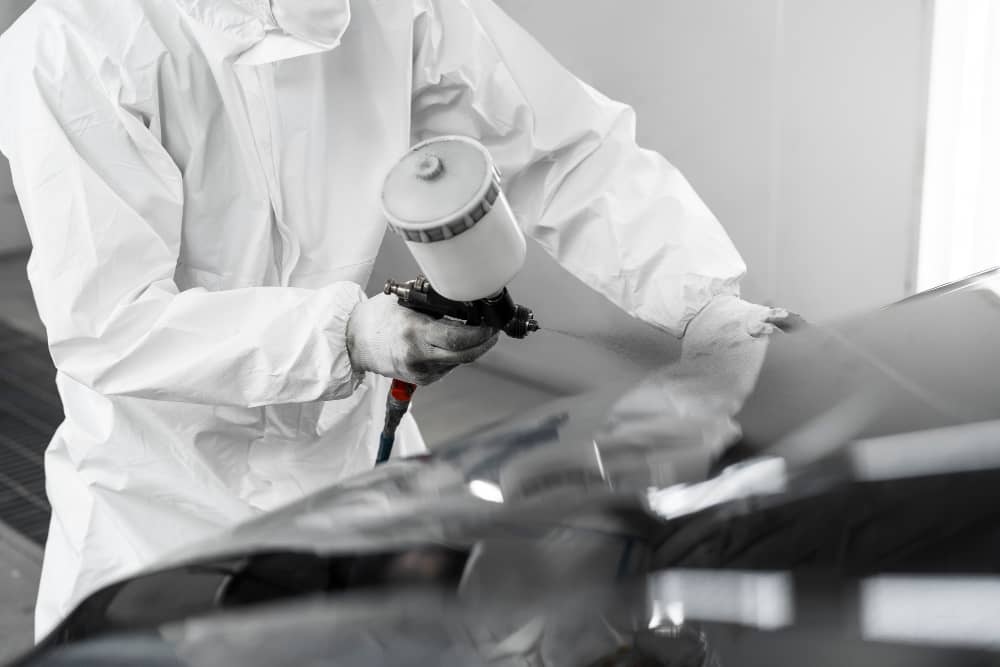
Paint Application and Finishing
The appropriate paint system is applied using suitable refinishing methods. Once the coating has been applied and cured according to the product requirements, the finish can be inspected and any appropriate finishing work completed.
A well-prepared surface and careful application are essential to the final appearance of the repair.
Step 6 – Reassembly and Vehicle Safety Checks
After the bodywork and paint refinishing are complete, removed components are refitted and the vehicle is checked.
Depending on the repairs, this may include inspecting:
Headlights, rear lights and indicators.
Bumper fitment and panel alignment.
Doors, bonnet and boot operation.
Wheels, tyres and visible suspension components.
Relevant electrical connections and warning lights.
Parking sensors, cameras and driver assistance systems where affected.
Some modern vehicles require specialist diagnostic checks or calibration after collision repairs, particularly if cameras, radar units or other advanced driver assistance components have been disturbed.
The required checks depend on the vehicle and the work carried out. Safety-related concerns should be addressed before the vehicle returns to the road.
Step 7 – Final Inspection and Vehicle Collection
Before the vehicle is handed back, the completed repairs should be checked against the agreed repair requirements.
A final inspection may consider the quality of the bodywork, paint finish, panel gaps, component fitment and operation of parts affected by the repair.
When collecting your vehicle, take time to look over the repaired areas. You can also ask the repairer to explain the work completed and provide any relevant paperwork.
Useful questions include:
Which areas of the vehicle were repaired or replaced?
Were any additional problems discovered?
Were relevant safety checks completed?
Is there any repair or parts warranty, and what are its terms?
Are there any aftercare recommendations?
Clear communication at handover helps you understand the work carried out and any conditions that apply.
How Long Does Accident Repair Take?
There is no fixed timescale for every accident repair. The time required depends on the type and extent of damage, the vehicle model, parts availability and whether insurance approval is needed.
A minor scratch or dent may require considerably less time than extensive bodywork or structural repairs.
Common reasons for delays include:
Additional damage discovered during dismantling.
Replacement parts being unavailable.
Further insurance assessment or authorisation.
Specialist repair or refinishing requirements.
Additional mechanical or electrical work.
A realistic completion estimate should be discussed once the vehicle has been properly assessed. If the scope of work changes, ask for an updated explanation and revised timescale.
Choosing the Right Accident Repair Garage in Halifax
Choosing a suitable repairer is an important decision. The quality of the work can affect your vehicle’s appearance, condition and safety.
When comparing accident repair garages in Halifax and Calderdale, consider the following:
Relevant experience: Look for a business with experience in the type of bodywork and vehicle damage your car requires.
Clear estimates: The repairer should explain the proposed work, costs and any limitations.
Quality of workmanship: Ask about repair methods, paint preparation and how the finished work is inspected.
Communication: You should receive clear updates if additional damage, parts delays or changes to the repair schedule arise.
Appropriate repair capabilities: Check whether the garage can undertake the required work or whether specialist services need to be arranged separately.
Warranty information: Ask whether a workmanship or parts warranty is available and request its terms in writing.
A good repair experience should involve clear expectations, suitable repair methods and honest communication throughout the process.
Accident Repair Services in Halifax and Calderdale
Finding a local repairer can make it easier to discuss damage, arrange an inspection and keep in touch while work is underway.
Spray-Tec Bodyshop is based in Halifax, West Yorkshire, and provides vehicle bodywork and specialist repair services. Its services include car body repairs, accident repairs, bumper repairs, dent removal, scratch repairs and car paintwork.
Whether you are based in Halifax, Elland, Brighouse, Sowerby Bridge or elsewhere in Calderdale, it is worth arranging an assessment to understand the repair options available for your vehicle.
Every accident is different, so the most appropriate repair approach should be determined by inspecting the actual damage.
Book Your Accident Repair Assessment in Halifax
Accident damage can be frustrating, but understanding the repair process helps you know what to expect and what questions to ask.
From the initial inspection and estimate to professional bodywork, paint refinishing and final checks, every stage plays an important role in restoring your vehicle.
If your car has been involved in a collision and needs professional attention, contact Spray-Tec Bodyshop in Halifax to discuss the damage and available repair options.
For drivers looking for Accident Repair, taking the time to understand the damage and choose an appropriate repair solution is the first step towards getting back on the road.
How long does accident repair take?
The repair time depends on the severity of the damage, parts availability and the work required. Minor cosmetic repairs may be completed relatively quickly, while extensive bodywork or structural repairs can take considerably longer.
Can I choose my own accident repair garage?
Your options depend on your motor insurance policy and the arrangements offered by your insurer. Check your policy conditions and confirm any implications before choosing a repairer.
Will my car need repainting after an accident?
Not always. Minor damage may sometimes be repaired without repainting the entire panel. However, deeper scratches, damaged paint, dents and replacement panels may require refinishing to achieve a consistent appearance.
Can hidden damage be discovered during accident repairs?
Yes. Some damage is only visible after affected panels, bumpers or components have been removed. If additional repairs are required, the customer should be informed and the revised work discussed before it proceeds.
Recent posts
- Understanding the Accident Repair Process: What to Expect | Accident Repair Halifax
- How to Choose the Right Car Paint Shop in Halifax for a Flawless Finish
- The Ultimate Guide to Classic Car Restoration in West Yorkshire
- Car Body Repair Halifax: The Complete Guide to Choosing the Right Body Shop
- The Ultimate Guide to Machine Polishing: How to Permanently Restore Your Car’s Factory Shine in Halifax, West Yorkshire
- Alloy Wheel Refurbishment Halifax: Why a Specialist Workshop Delivers a Factory-Fresh Finish
- 5 Things You Should Never Do After a Car Accident | UK Guide
Contact Spray-Tec
Whether you need accident repairs, dent repairs, alloy wheel repairs, wheel refurbishment, wheel straightening, wheel powder coating, bumper repairs, brake caliper painting, classic car restoration, commercial vehicle repairs, machine polishing, scratch removal, fibre glass repairs, carbon fibre repairs, motorsport repairs or complete vehicle resprays, Spray-Tec is here to help. Our experienced technicians deliver high-quality workmanship, honest advice and exceptional customer service for every vehicle that enters our workshop.
Contact Spray-Tec today for your free quotation and let us restore your vehicle to its best.