
A scrape in a supermarket car park, a wing mirror clipped on a narrow Calderdale lane, a bumper crumpled in stop-start traffic. Damage like this happens to almost every driver sooner or later. What matters is what you do next.
Choosing the right provider for car body repair in Halifax affects far more than how your car looks. It affects safety, resale value, insurance outcomes and how long you’re without your vehicle. This guide covers what a good body shop actually does, which repairs you might need, and how to tell a quality repairer from a cheap shortcut.
Why Professional Car Body Repair Matters
Modern vehicles are engineered so that bumpers, crumple zones, panels and structural sections work together in a collision. A poor repair can compromise that design. Even cosmetic damage can hide problems underneath, such as:
- Bracket or mounting damage behind bumpers and panels
- Sensor misalignment (parking sensors, radar and cameras are now common on everyday cars)
- Corrosion risk where paint has been chipped and bare metal exposed
- Panel gaps and misalignment that affect aerodynamics, water sealing and appearance
A professional car body shop in Halifax has the equipment, training and paint technology to restore the vehicle properly rather than just make it look acceptable from a distance.
Common Types of Car Body Repair
Not every job is a major collision repair. Here are the services most car body repair shops in Halifax offer.
1. Dent Removal and Panel Beating
Minor dents can often be repaired with car dent removal techniques without repainting, using paintless dent removal where suitable. Larger dents and creased panels need skilled panel beating, filling and refinishing. A good technician will always try to preserve the original metal and finish wherever possible.
2. Scratch and Scuff Repair
A light scuff on the lacquer is a very different job from a deep scratch that has reached the primer or metal. Car scratch repair requires correct diagnosis, because the wrong approach can leave a repair that fades, flakes or shows up in certain light.
3. Bumper Repair and Replacement
Bumpers take the brunt of everyday knocks. Bumper repair can often restore damaged plastic bumpers without the need for replacement, but cracked mounting points or damaged sensors may mean replacement is the safer option.
4. Auto Body Refinishing
Auto body refinishing in Halifax covers full and partial resprays, panel painting and lacquer work. Quality refinishing depends on three things: preparation, computerised colour matching and a controlled spray environment. Skipping any of these is how you end up with a mismatched panel that stands out in sunlight.
5. Accident and Collision Repair
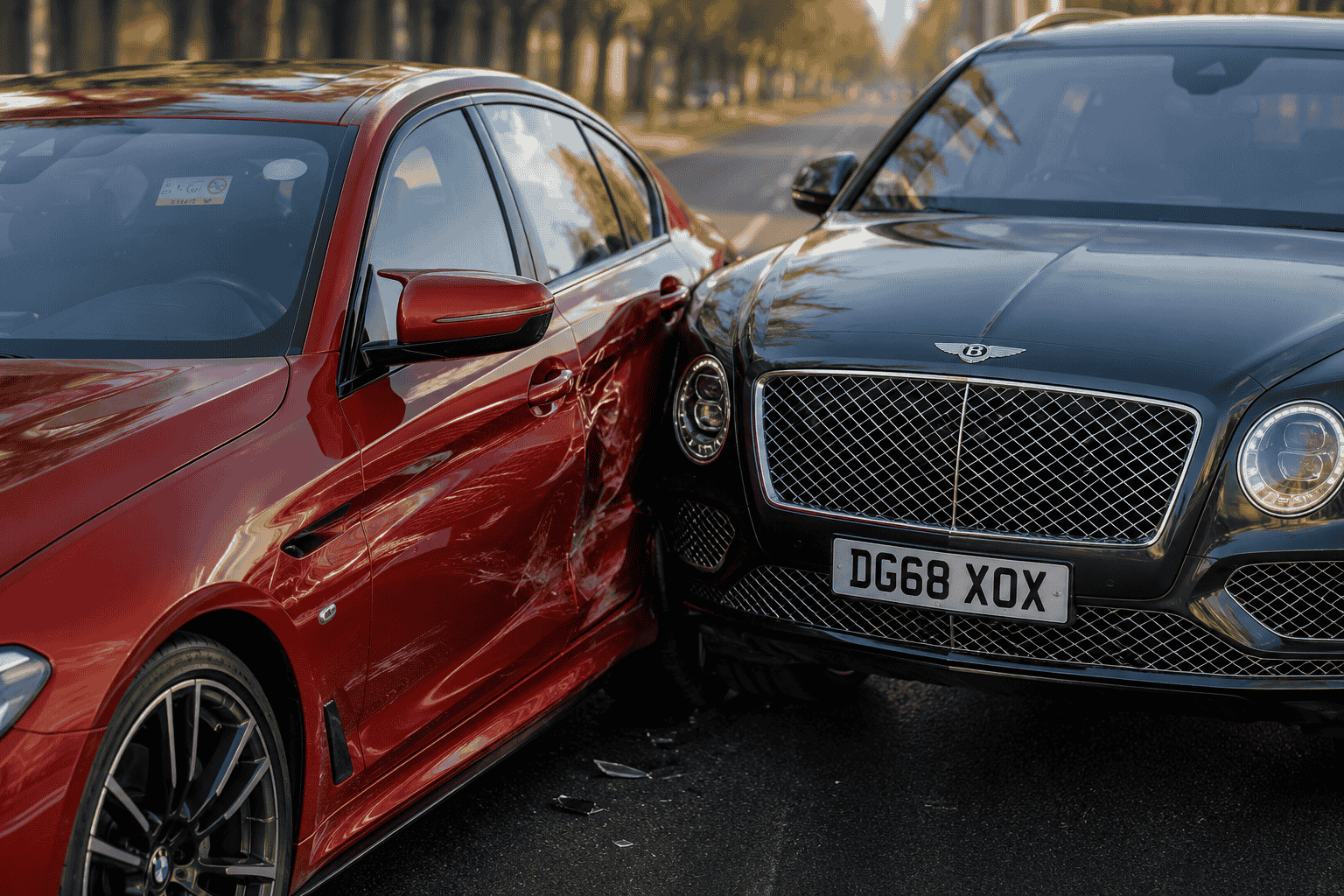
After a collision, a body shop assesses both visible and hidden damage before carrying out the necessary repairs. Car accident repair may involve repairing or replacing damaged panels, checking structural alignment, repairing mechanical or safety components, and refinishing the vehicle. This is an area where the right equipment, skilled technicians and experience are essential to ensure the vehicle is repaired safely and correctly.
6. Alloy Wheel Repair
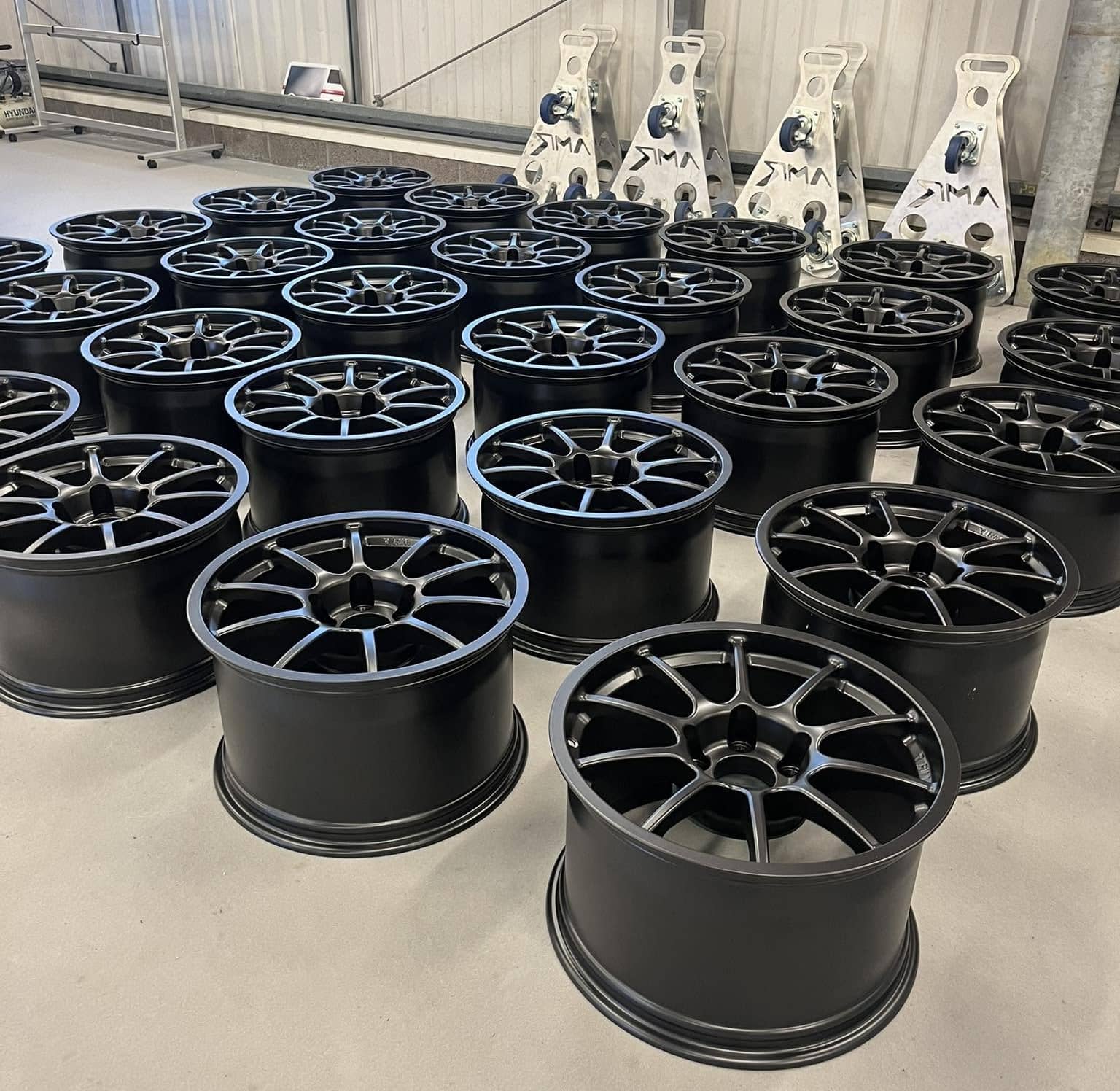
Kerbed alloys are one of the most common complaints on UK roads. Alloy wheel repair can restore kerbed, scratched or damaged wheels, while alloy wheel refurbishment is usually far cheaper than replacing the wheels altogether.
7. Mobile and SMART Repairs
Mobile car body repairs in Halifax are ideal for small, localised damage such as bumper scuffs, minor scratches, small dents and alloy marks. A technician comes to your home or workplace, which saves you the time of a garage visit. They are not suitable for structural damage or extensive paintwork, so be wary of anyone who claims otherwise.
What Affects the Cost of Car Body Repair in Halifax?
Every vehicle and every repair is different, so be cautious of anyone quoting a fixed price without seeing the car. The main factors are:
- Size and severity of the damage
- Type of paint finish. Solid colours are simpler than metallics, pearls and tri-coat finishes.
- Parts needed. Genuine, OEM-equivalent and used parts vary in price and quality.
- Labour time, including preparation, which is where quality repairs spend most of their hours
- Sensor or camera recalibration on newer vehicles
- Vehicle make and model, as some are more complex and costly to repair
Always ask for a written, itemised quote so you can see what you’re paying for and compare like with like.
Insurance Claims and Your Choice of Repairer
Many drivers assume they must use the body shop their insurer recommends. In general, you have the right to choose your own repairer, though how your policy handles this can vary, so check your policy wording or ask your insurer.
If you’re making a claim, ask the body shop:
- Whether they deal directly with insurers and handle the paperwork
- Whether they offer a courtesy car while yours is being repaired
- What warranty applies to the repair work
If you’re paying privately, for example because the damage is under your excess or you want to protect your no-claims bonus, a good body shop will give you a clear quote and explain your options honestly.
How to Choose a Car Body Shop in Halifax
With so many auto repair shops in Halifax and the surrounding area, it helps to know what separates a dependable repairer from a risky one.
1. Look at real examples of their work
Before-and-after photos, recent customer reviews and genuine Google reviews tell you more than any advert.
2. Ask about colour matching and paint systems
Reputable shops use computerised colour matching and quality paint systems. If a shop can’t explain how they match paint, treat that as a warning sign.
3. Check the warranty
A confident repairer stands behind their work. Ask what’s covered, for how long, and get it in writing.
4. Look for transparent communication
You should get a clear quote, an estimated completion date and updates if anything changes.
5. Check the facilities
A proper spray booth, quality preparation areas and modern equipment are good signs of professional standards.
6. Beware of “too good to be true” prices
An unusually cheap quote often means shortcuts in preparation, cheap materials or no proper finishing. Repairs done poorly will cost you more in the long run.
7. Choose local
A local vehicle bodyshop in West Yorkshire that depends on its reputation has every reason to do the job properly. It’s also far easier to return for aftercare if something isn’t right.
The Car Body Repair Process: What to Expect
Understanding the process makes it easier to talk to your repairer and know what’s happening to your car.
- Inspection and estimate. The technician assesses the damage, usually with photos, and provides a written quote.
- Authorisation. If it’s an insurance job, the insurer approves the repair. For private jobs, you approve the quote.
- Disassembly and repair. Damaged panels are repaired or replaced, and any hidden damage is identified.
- Preparation. Surfaces are sanded, primed and prepared. This stage largely determines how long the finish lasts.
- Painting and refinishing. Paint is colour-matched and applied in a controlled environment, followed by lacquer.
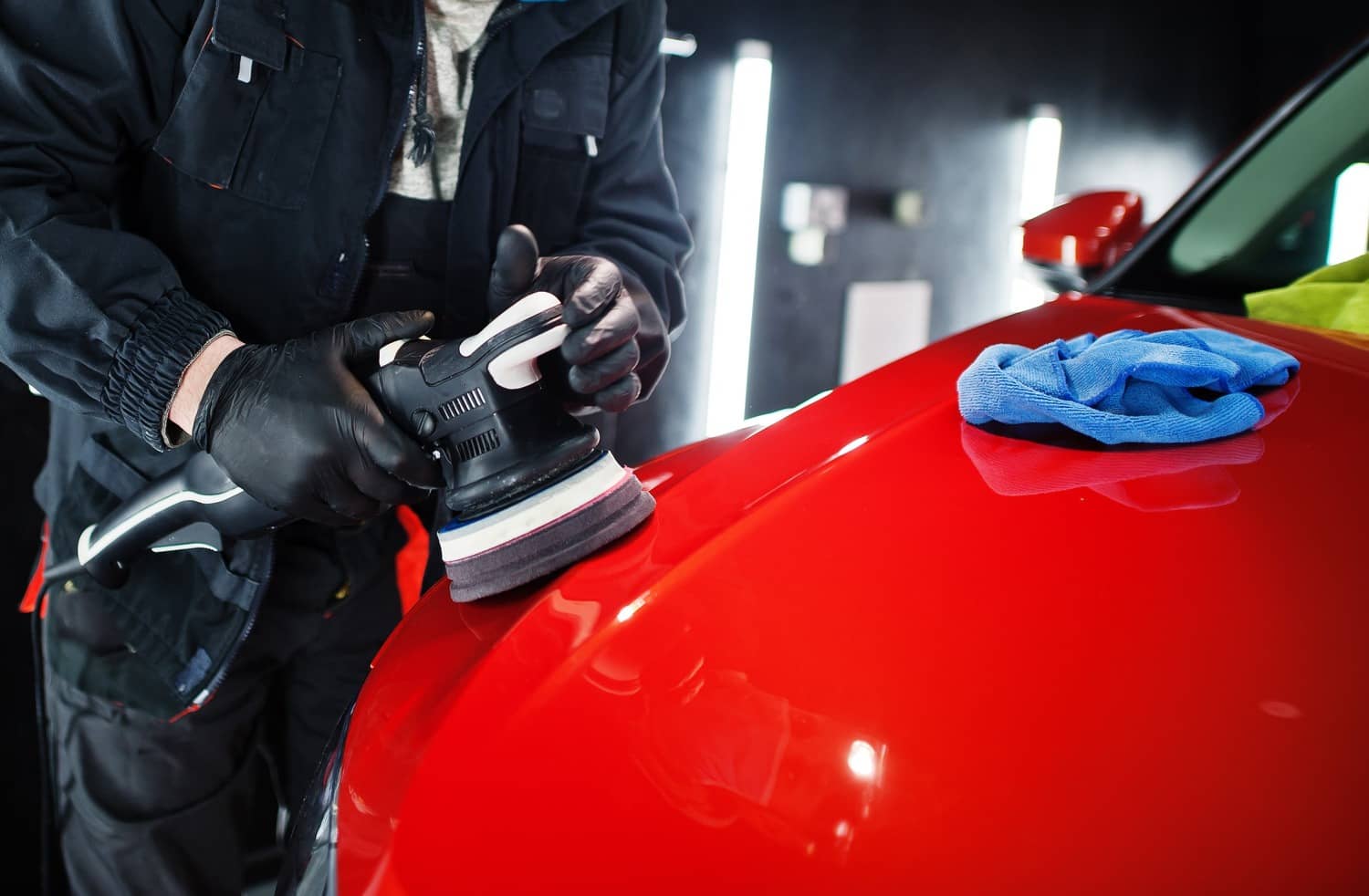
- Reassembly and finishing. Trim, lights and sensors are refitted, then the car is polished.
- Quality check and handover. The car is inspected, and you should be invited to check the work before collecting it.
Tips for Keeping Your Car's Bodywork in Good Shape
Halifax’s hills, changeable weather and winter road salt are tough on paintwork, so a little maintenance goes a long way.
- Wash regularly in winter to remove road salt that accelerates corrosion
- Fix stone chips promptly before rust can take hold
- Park considerately, away from trolley bays and tight spaces where you can
- Wax or sealant protects the paint and makes it easier to clean
- Don’t ignore small damage. Minor scratches that reach bare metal can become expensive rust repairs.
Final Thoughts
Whether it’s a minor scuff or a major collision, car body repair in Halifax is only as good as the people doing the work. Look for transparency, proven results, quality paint and a solid warranty rather than just the lowest price.
If your car needs attention, get in touch with a trusted local body shop for a free, no-obligation quote and have the damage assessed properly.
Contact us today for a free quote on car body repairs in Halifax.
How long does car body repair take in Halifax?
Small repairs such as scuffs and minor dents can take a few hours to a day. Larger collision repairs can take several days or longer, depending on parts availability and the extent of the damage. Your repairer should give you a realistic estimate up front.
Is it worth repairing minor damage?
Usually, yes. Minor damage left untreated can lead to rust, lower resale value and costlier repairs later.
Can mobile repairs fix everything?
No. Mobile repairs suit small, cosmetic damage. Anything involving structural issues, major panel damage or full resprays needs a proper body shop with a spray booth.
Will the repaired area match the rest of my car?
With professional colour matching and blending into adjacent panels, a good repair should be indistinguishable from the original finish. Cars age and fade, so skilled painters account for this.
Do I have to use my insurer's approved repairer?
Generally, you can choose your own repairer, but check your policy and speak to your insurer before work begins.
Recent posts
- Car Body Repair Halifax: The Complete Guide to Choosing the Right Body Shop
- The Ultimate Guide to Machine Polishing: How to Permanently Restore Your Car’s Factory Shine in Halifax, West Yorkshire
- Alloy Wheel Refurbishment Halifax: Why a Specialist Workshop Delivers a Factory-Fresh Finish
- 5 Things You Should Never Do After a Car Accident | UK Guide
- What to Do After a Car Accident: A Step by Step Guide
Contact Spray-Tec
Whether you need accident repairs, dent repairs, alloy wheel repairs, wheel refurbishment, wheel straightening, wheel powder coating, bumper repairs, brake caliper painting, classic car restoration, commercial vehicle repairs, machine polishing, scratch removal, fibre glass repairs, carbon fibre repairs, motorsport repairs or complete vehicle resprays, Spray-Tec is here to help. Our experienced technicians deliver high-quality workmanship, honest advice and exceptional customer service for every vehicle that enters our workshop.
Contact Spray-Tec today for your free quotation and let us restore your vehicle to its best.