
1. Never Leave the Scene Without Exchanging Details
- Up to 10 penalty points on your driving licence.
- An outright driving ban.
- A heavy fine or even a prison sentence.
2. Avoid Admitting Fault After a Car Accident UK
3. Do Not Forget to Gather Evidence
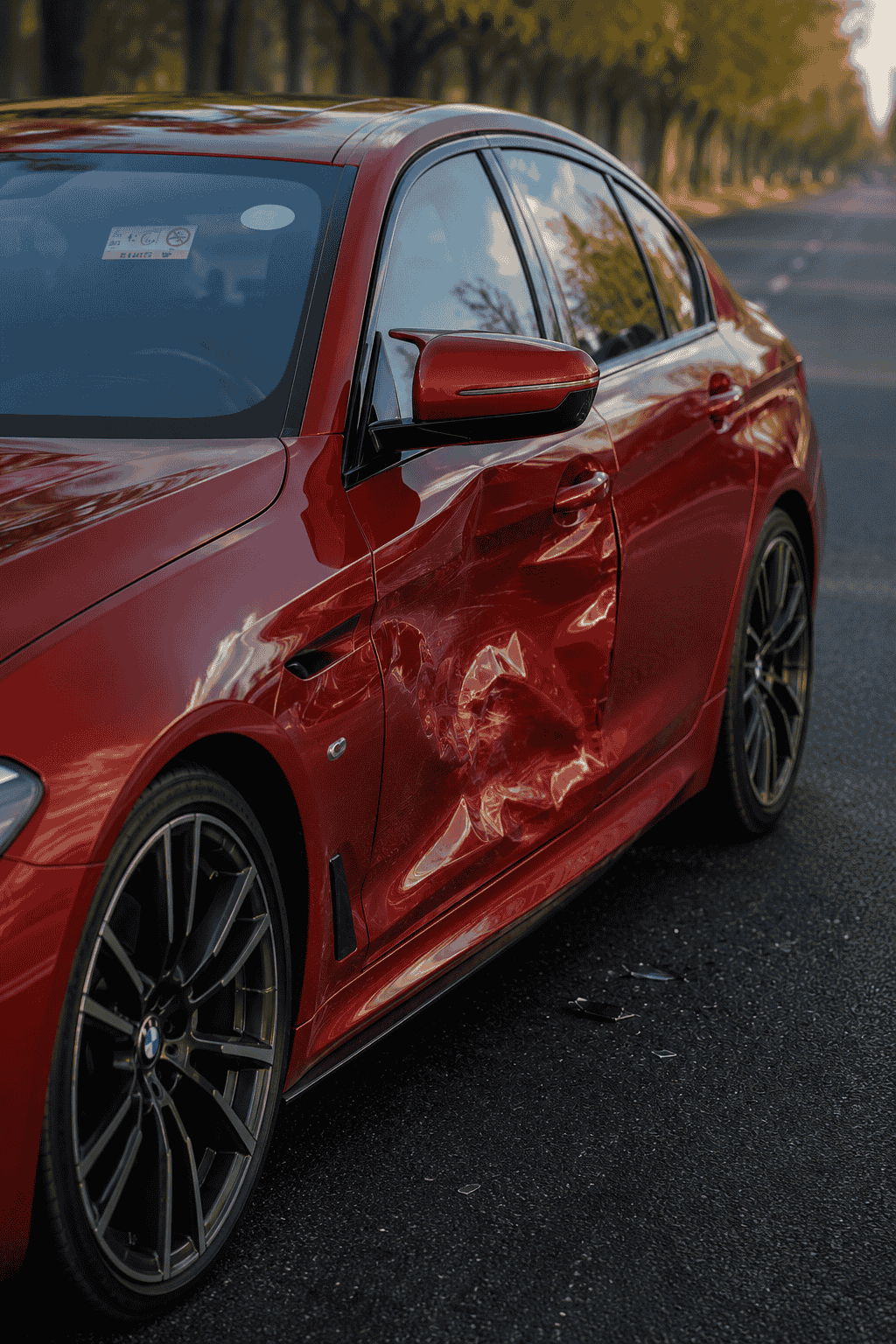
- Take photos and videos: Capture the damage to all vehicles involved, their positions on the road, skid marks, and any relevant road signs or layouts.
- Note the location: Mark down the exact street name, road number, or landmark where the incident occurred.
- Collect witness data: If passersby or other motorists stopped to help, politely ask for their names and phone numbers.
- Check for cameras: Look around to see if nearby business CCTV or residential dashcams might have captured the incident.
4. Never Delay Reporting a Car Accident
5. Never Accept a Cash Offer at the Roadside
- Hidden vehicle damage: Modern bumpers are designed to absorb impacts. While the plastic skin might look fine, the structural reinforcing bars or electronic sensors underneath could be severely damaged. Repair costs can quickly skyrocket beyond your expectations.
- Delayed injuries: Soft tissue injuries, like whiplash, rarely hurt immediately. The pain often sets in hours or days later once your adrenaline wears off.
- Fraud risk: The other driver could still report the accident to their insurer later, twisting the facts to blame you. Because you accepted cash, you will have no official insurance record to back up your version of events.
Contact Your Insurance Company
Notify your insurer as soon as reasonably possible and provide accurate information about what happened.
Your insurer may ask for:
- Date and time of the accident
- Location
- Details of the other driver
- Witness information
- Photographs
- Police reference details, if applicable
- Description of the damage
- Information about whether the vehicle is driveable
Even if you don’t intend to make a claim immediately, check your policy requirements regarding accident notification.
Insurance Accident Repairs
If you are making a claim, your insurer may have a specific process for Insurance Accident Repairs. They may direct you to an approved repairer or give you options regarding where your vehicle can be repaired.
Before authorising work, understand what your insurance policy covers, including any excess, repairer restrictions and replacement-vehicle arrangements.
Get Professional Help After a Car Accident
Knowing what to do after a collision can make the recovery process much easier. Prioritise safety, document the accident, notify your insurer when required and arrange a professional vehicle assessment before proceeding with repairs.
When your vehicle needs Car Accident Repair, choosing an experienced bodyshop can help ensure both the visible damage and relevant underlying issues are properly assessed.
Whether you need minor paintwork, panel repairs or more extensive Collision Repair, professional assessment is the best starting point for getting your vehicle safely back on the road.
Do I have to report a minor car accident to the police in the UK?
You only need to report the accident to the police if you did not exchange insurance and contact details at the scene, or if someone was injured. If details were exchanged and no one is hurt, you do not legally need to call the police, but you must still inform your insurer.
Is saying 'sorry' admitting fault after a UK car accident?
Legally, an apology at the roadside is not a definitive confession of legal liability, but insurance companies strongly advise against it. Saying sorry can muddy the waters during a claim dispute and can potentially breach your insurance policy terms.
How long do I have to notify my insurance provider after an accident?
Most UK insurers require you to report an incident within 24 to 48 hours. Check your specific policy wording, as failing to notify them within their stated window can void your coverage for that incident.
Do I need to report the accident if it happened on private property?
If the accident occurred on private land—such as a supermarket car park—the strict statutory duty to report to the police under the Road Traffic Act does not always apply in the same way as a public highway. However, you are still contractually required to notify your insurance provider immediately, and you should exchange details with the other driver to protect your claim.
What should I do if the other driver refuses to give their details?
If the other driver refuses to give their name, address, or insurance information, do not argue with them. Remain calm, write down their vehicle registration number, make, model, and colour, and take photos of their vehicle if it is safe to do so. You must then report the incident to the police within 24 hours.
Should I see a doctor if I don’t feel injured at the scene?
Yes, it is highly recommended to get checked by a medical professional. Adrenaline can mask pain, and common injuries like whiplash or internal bruising often take 24 to 48 hours to become noticeable. Having an official medical record linking your symptoms to the date of the crash is vital for any future personal injury claims.
What happens if I am hit by an uninsured or unidentified driver?
If you are involved in a hit-and-run or the other motorist does not have motor insurance, you can still claim for damages and injuries through the Motor Insurers’ Bureau (MIB). The MIB is a UK body funded by insurance premiums specifically designed to compensate victims of uninsured and untraced drivers.
Can I use dashcam footage as evidence for my insurance claim?
Yes. UK insurance providers and police forces heavily rely on dashcam footage to determine liability. If your camera—or a witness’s camera—captured the incident, let your insurer know immediately, as it provides objective proof and can drastically speed up the settlement process.
Recent posts
- Car Body Repair Halifax: The Complete Guide to Choosing the Right Body Shop
- The Ultimate Guide to Machine Polishing: How to Permanently Restore Your Car’s Factory Shine in Halifax, West Yorkshire
- Alloy Wheel Refurbishment Halifax: Why a Specialist Workshop Delivers a Factory-Fresh Finish
- 5 Things You Should Never Do After a Car Accident | UK Guide
- What to Do After a Car Accident: A Step by Step Guide
Contact Spray-Tec
Whether you need accident repairs, dent repairs, alloy wheel repairs, wheel refurbishment, wheel straightening, wheel powder coating, bumper repairs, brake caliper painting, classic car restoration, commercial vehicle repairs, machine polishing, scratch removal, fibre glass repairs, carbon fibre repairs, motorsport repairs or complete vehicle resprays, Spray-Tec is here to help. Our experienced technicians deliver high-quality workmanship, honest advice and exceptional customer service for every vehicle that enters our workshop.
Contact Spray-Tec today for your free quotation and let us restore your vehicle to its best.